How it works
Discovery
Moodboard
Phase 1, 2
Phase 3
Kickoff calls
Project kickoff
Website kickoff
Project revisions, check-ins
Weeks
Week 11Week 22Week 33Week 44Week 55Week 66Week 77Week 88Week 99Week 1010Week 1111Week 1212
KickoffLaunch
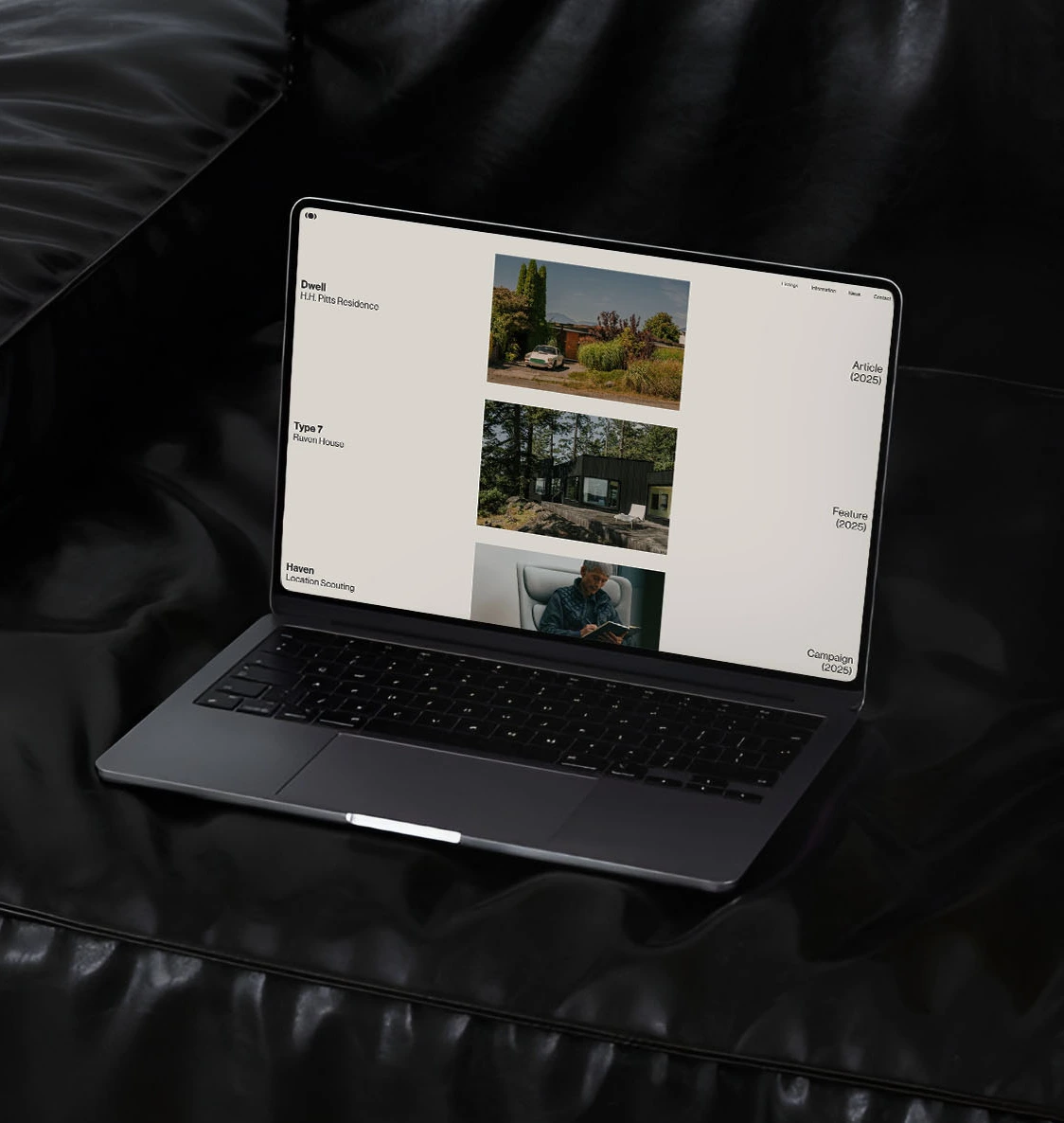
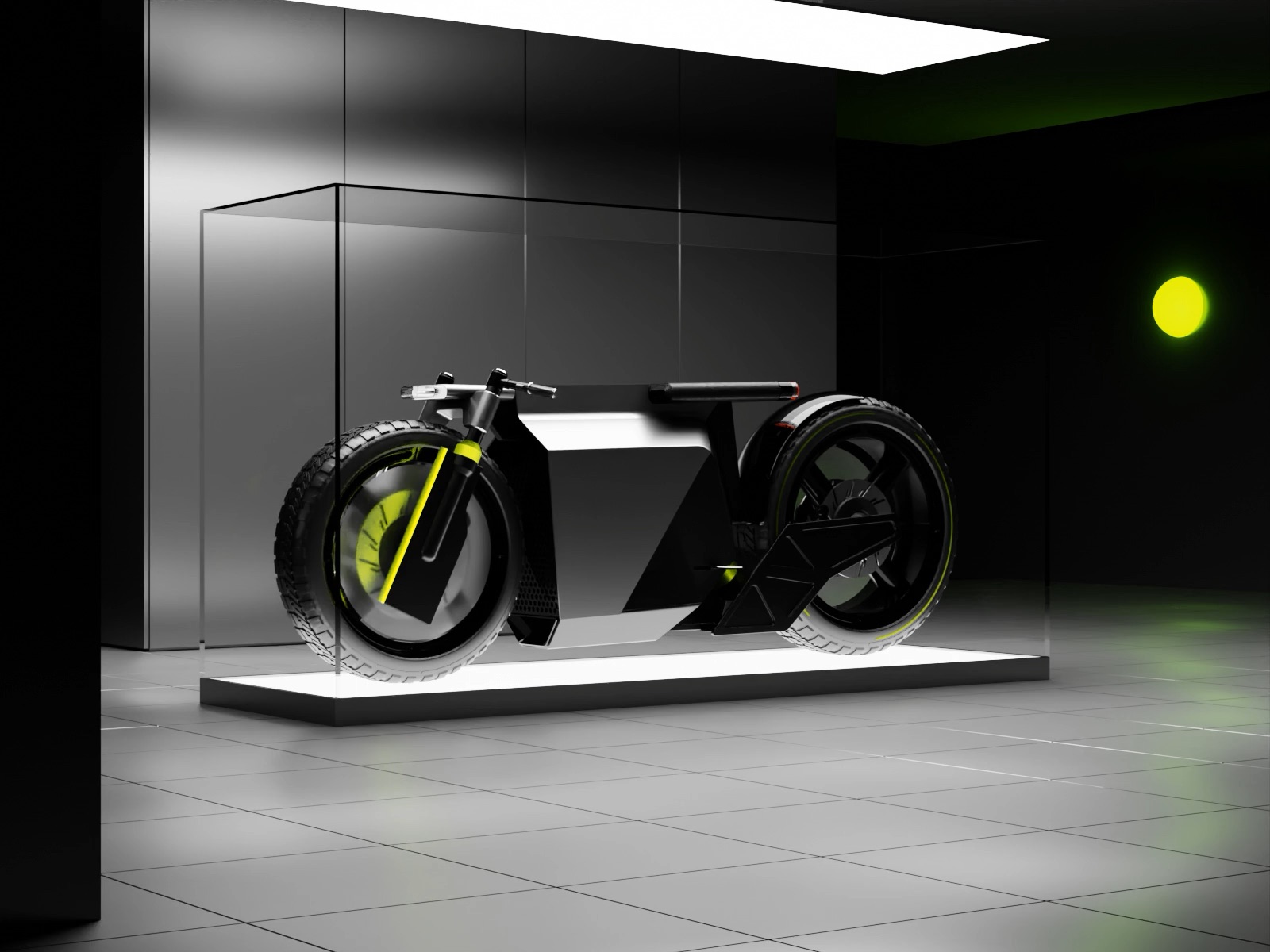
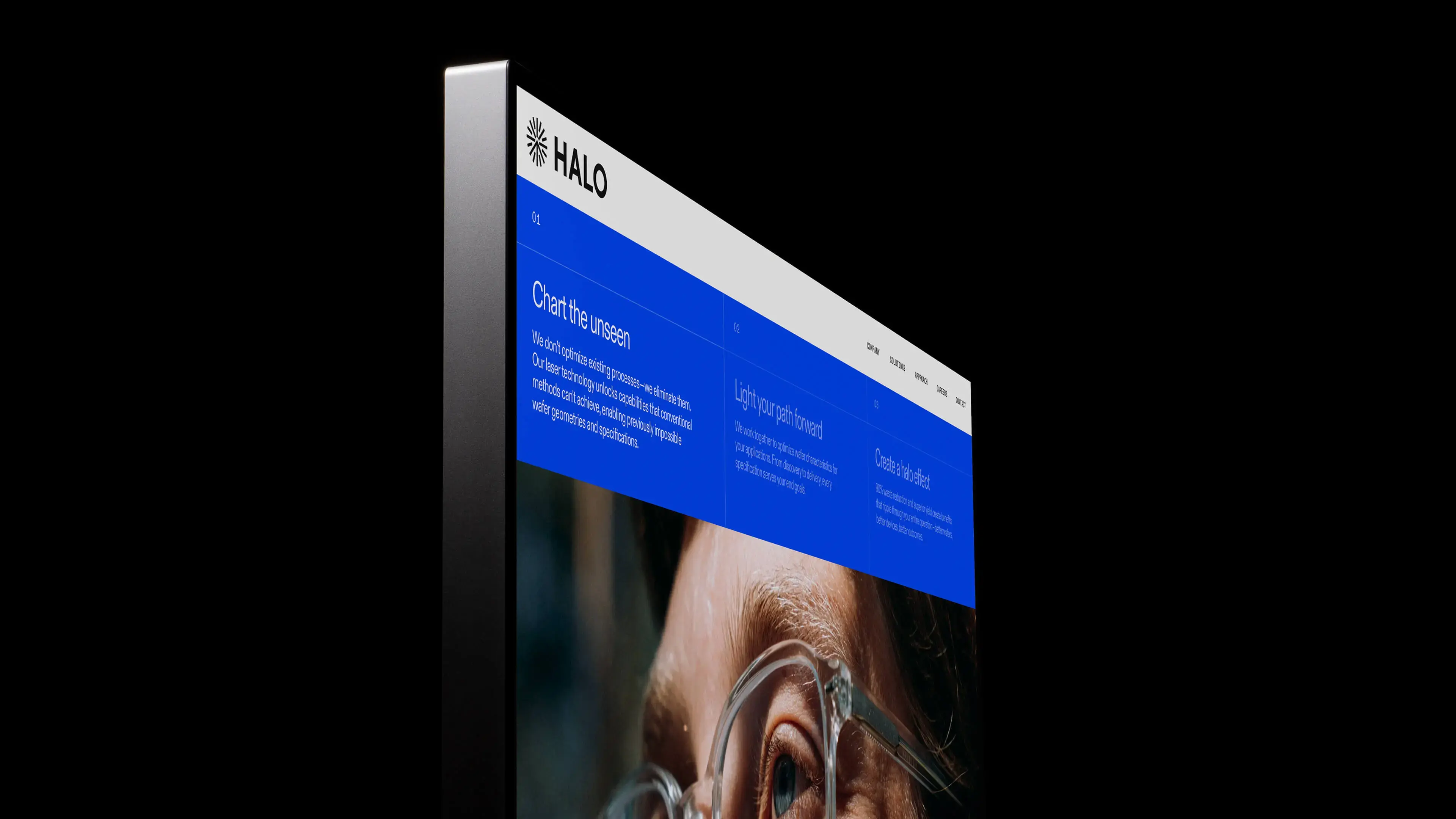
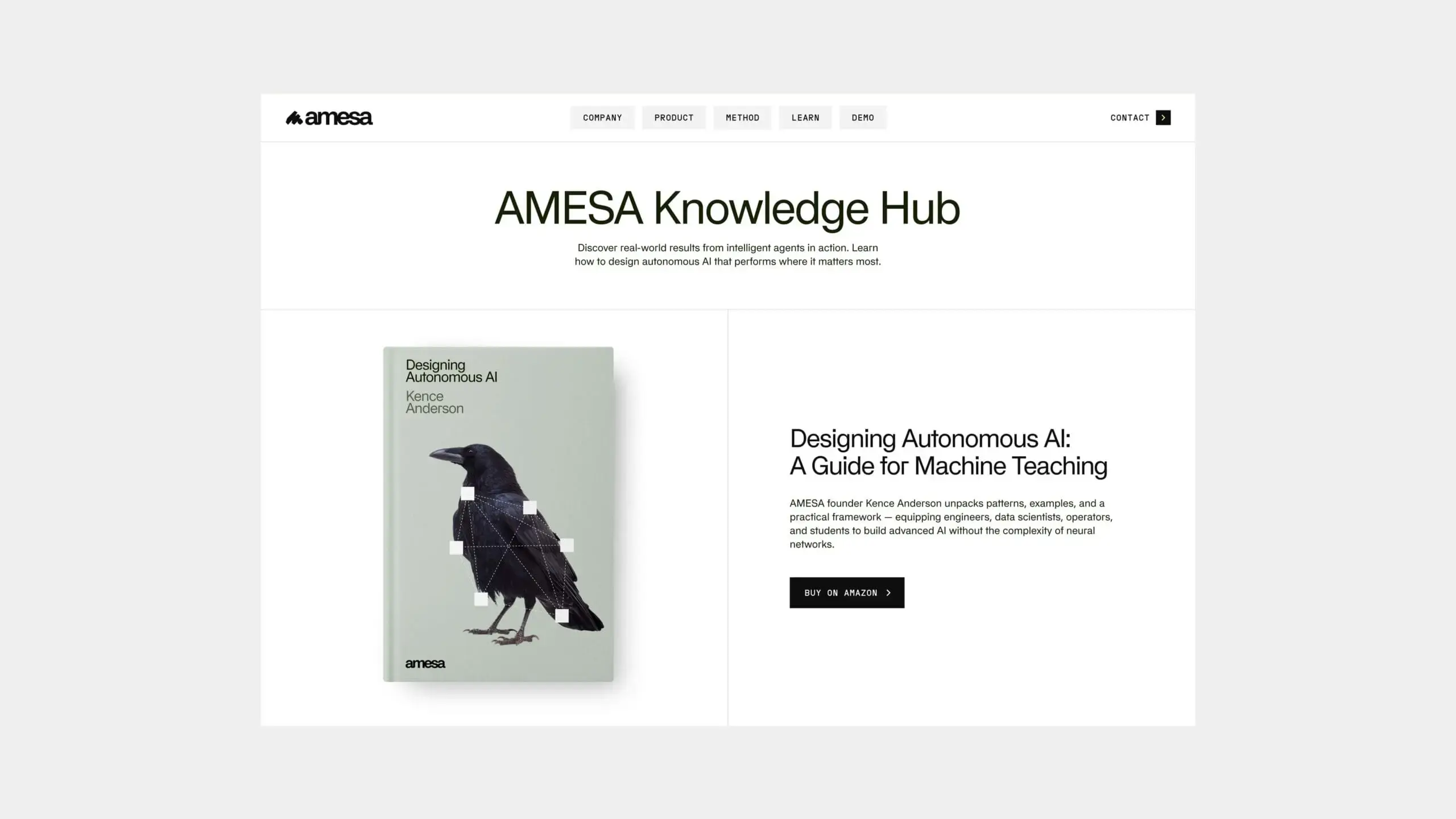


for the builders of
the physical future
You’re building the future. It should look like it.Brand, website and product for deep tech, made with the same precision as the engineering.
Brand identity & website
Residential battery storage with pilot fleets in California and the UK. The product was ready for a Series B conversation. The website still looked like a lab notebook.
Somewhere right now, a team is building technology that’s never existed, and spending years on tolerances no one will ever see.
Then they launch it with a website that looks like a to-do app, and run it on software their engineers designed in between everything else.
Every one of those surfaces is an opening. The deck is how the round gets raised. The site is how the launch lands. The product is how a pilot turns into an order. The brand is what makes all three feel like one company. Get one right and it opens the next.
That’s what Fytra builds: a visual system. One set of foundations, from type and colour to grid, imagery, motion and language, carried from the brand to the site to the product itself, so every surface tells the same story with the same precision.
The technology works. Now you need capital to move faster, and investors judge you before they meet you.
The product is ready to be seen and the brand isn’t. The first public face of a technical company, done once.
You’re going from pilot to production, and customers and new hires now expect a company that looks the part.
The engineering has moved on and the brand hasn’t. You still look like the company you were five years ago.
Interfaces for the software that runs your hardware, built on your brand system so the product feels as finished as the machine.
Identity, deck and website designed as one system, so investors, customers and future hires meet the same company wherever they find you first.
If you're building something physical, you're probably at a turning point. It’s a chance to represent the company properly, because people judge it long before they understand what it does. That’s where I can help.
I came to this through architecture, then years in product and web design, including agency work for Slack and Salesforce. I set up Fytra to make companies building real things look as good as their work, in a pitch, on a factory floor or on an operator’s screen.
Fytra is independent on purpose. You work with me directly, from first call to last file, with no account managers or junior handoffs. I also bring a deep understanding of AI, in the studio and in the products you’re building. For 3D, motion, copy or bigger builds, I bring in specialists I trust. Staying small means fewer clients, more care.
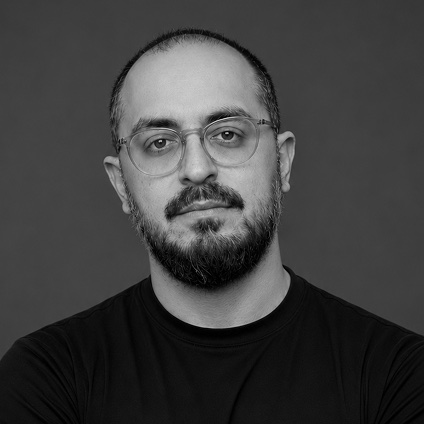
Imran Ashraf
Founder, Creative director


“Easy to work with, very talented designer. The design turned out exactly as I wanted, would again work with him in the future.”
Aban Sriyar
Founder
Reachout
“Imran was fabulous to work with. He created a very effective design for our project. He took our suggestions and made them better. We are very happy with the outcome. We would definitely work with him again.”
Ran Goldstein
Founder
My Kid Made
“It was a pleasure working with Imran on our project! The artistic creativity, responsiveness, and interaction was incredible. We highly recommend Imran and look forward to more great projects!”
WKEF
Co-founder
Kids Eat Free
“Fabulous work and all great things to say about the experience working with Imran. Thank you for coming through for us! Excited to work together again in the future.”
Alan Earl
Co-founder
Vent
A commission is brand or web work with a fixed scope and price: Branding, Website, or Both. It has set phases, a schedule and a handoff at the end.
Operations is product design on a monthly retainer. It has no end date and runs in cycles for as long as it's useful. You can have one, or both side by side.
It starts with a short onboarding form: your goals, audience, competitors and who signs off. Then Discovery: a kickoff workshop, research and two visual territories to choose from.
Then the work itself: the visual identity and design system, the website, or both in that order. You get regular updates to review in your own time, pick an option and rate it. It ends with a handoff: final files, the Brand Kit and a walkthrough. A website adds a recorded training call.
We start with what matters most and work on one feature or piece of work at a time. The work runs in cycles: when one ends, we agree the next together.
You get the same regular updates and shared channel as a commission. Design is in Figma, handed to your engineers ready to build. We don't build the front end for now.
On average, Branding takes 4 to 8 weeks, a website 4 to 10, and Brand and Web together 10 to 16, identity first. The schedule is set before we start, and your start date is booked once the first payment is in. Where you land in the range mostly depends on how quickly feedback comes back.
Operations starts with the first three months planned together, so there's time to make real progress. After that it carries on month to month, for as long as it's useful.
I do. You work with me directly, from the first call to the handoff. When a project needs 3D, copy or a bigger build, I bring in specialists I trust and stay responsible for the result.
One person who can make the final call, and feedback within two to three working days. We work in one shared channel, email or Slack, whichever you prefer.
Branding starts from £12,000, a website from £16,000, and Operations from £8k a month.
A commission is split into equal monthly payments. The first is due on signing and books your start date; the rest follow monthly from that date. Operations is billed monthly from your start date too. After the first three months it's month to month, and one month's notice stops it. Fonts, hosting and third-party tools are billed at cost.
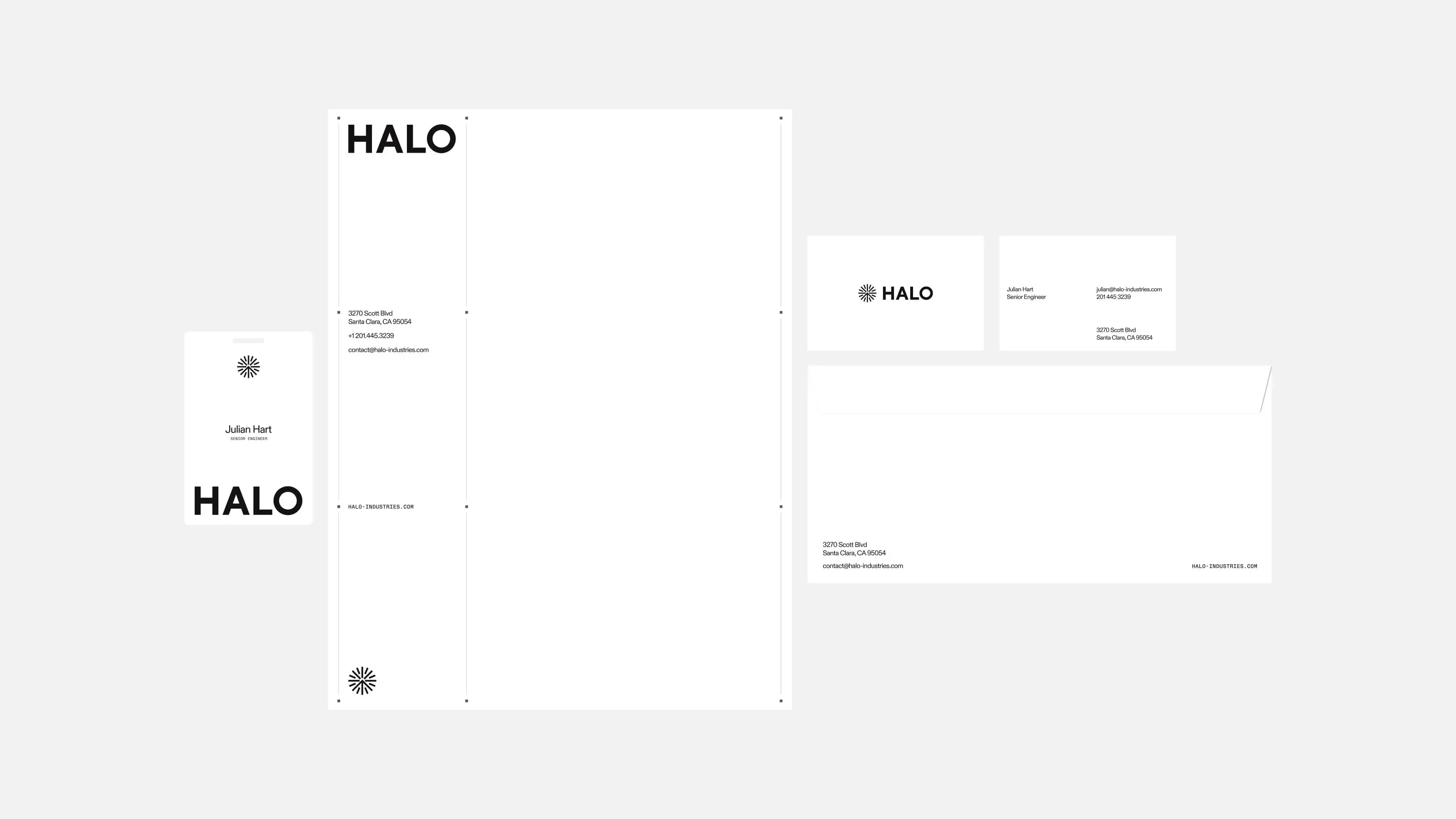
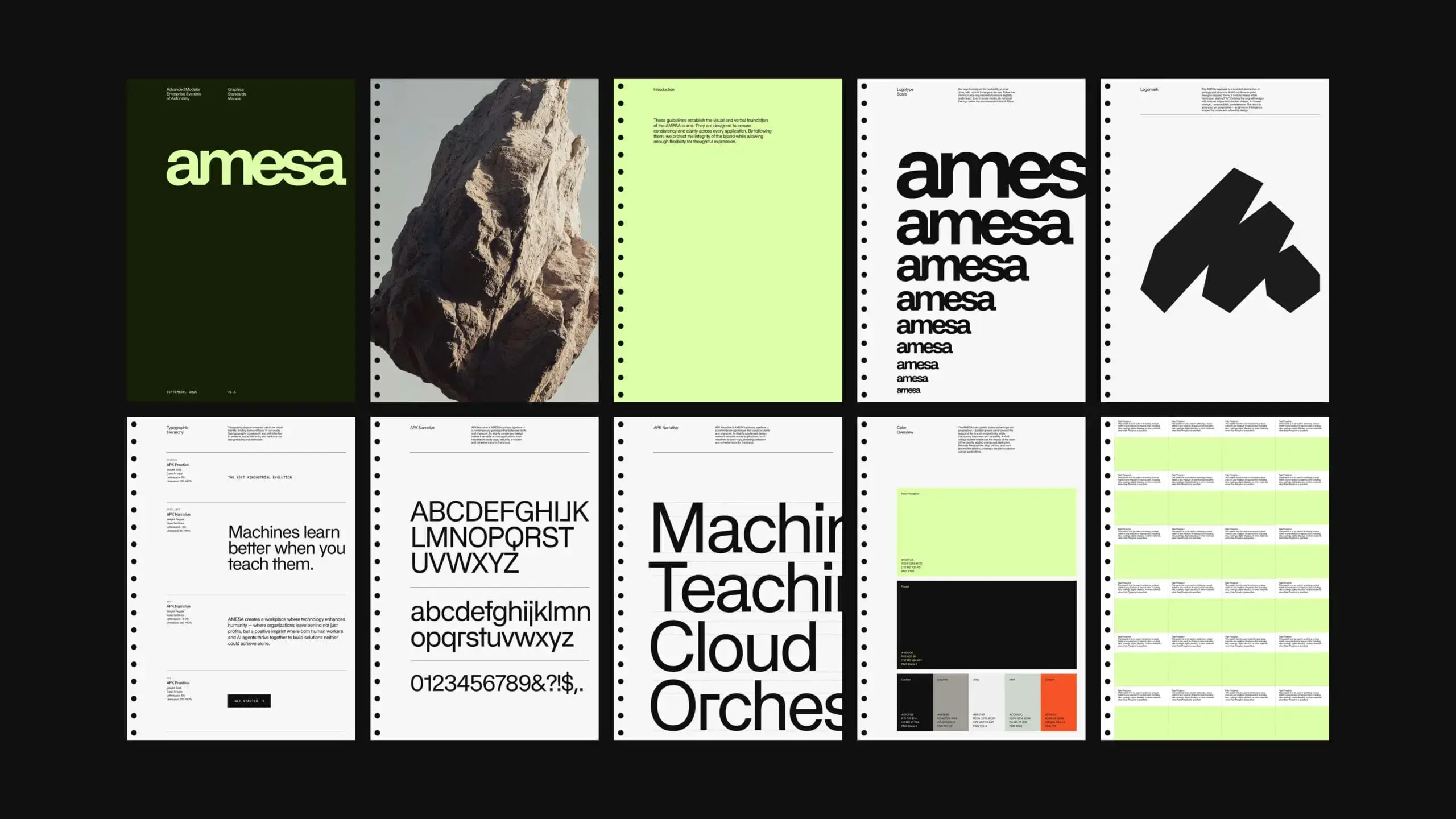
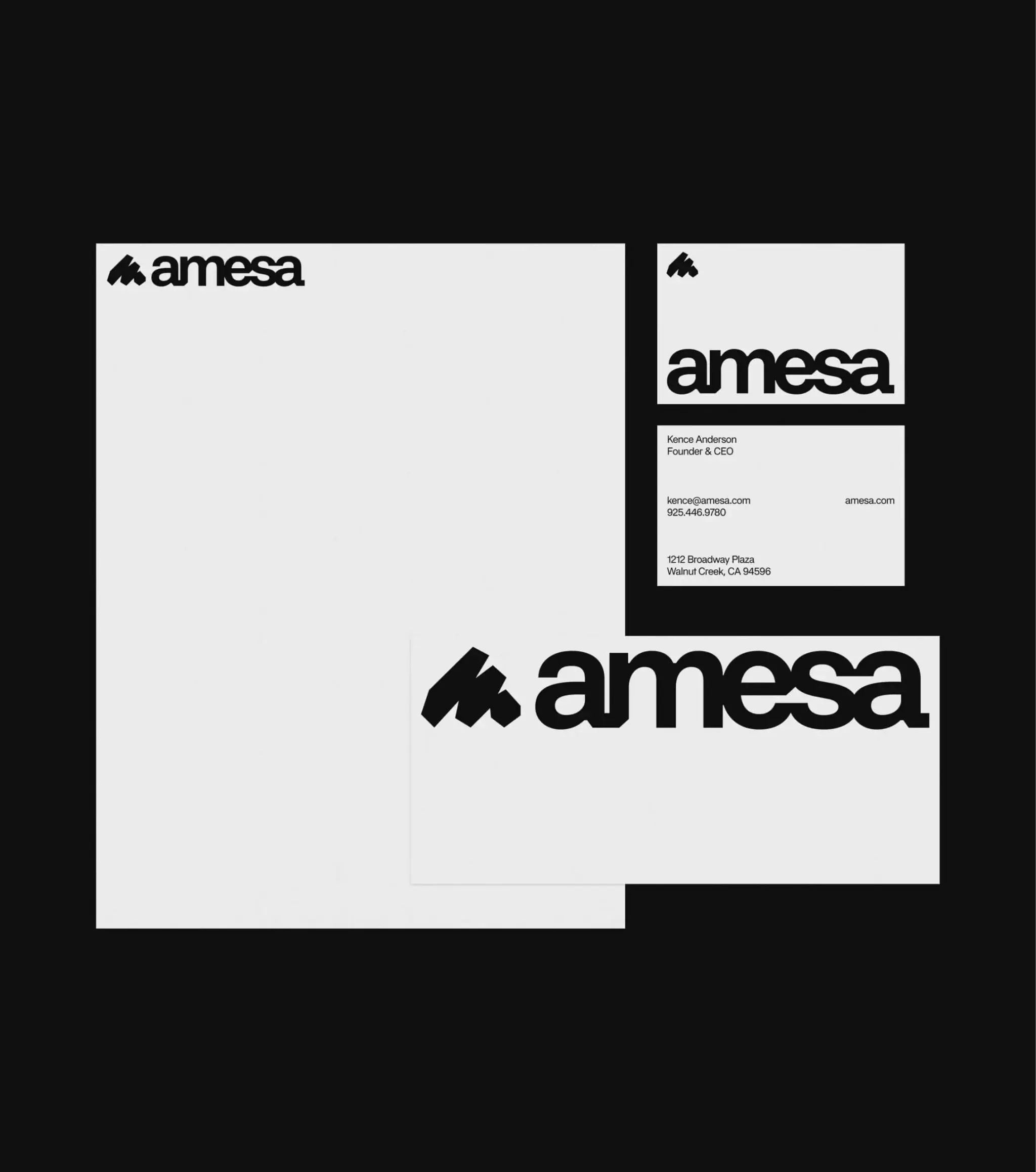
Branding: Discovery, then the logo and core system, brand applications, logo animation and guidelines, delivered as a Brand Kit.
Website: Discovery with a brand audit, sitemap and content plan, then design and build: homepage, templates, mobile and motion, on a CMS with SEO, tested, launched and handed over with training.
Both: all of it, with Discovery done once.
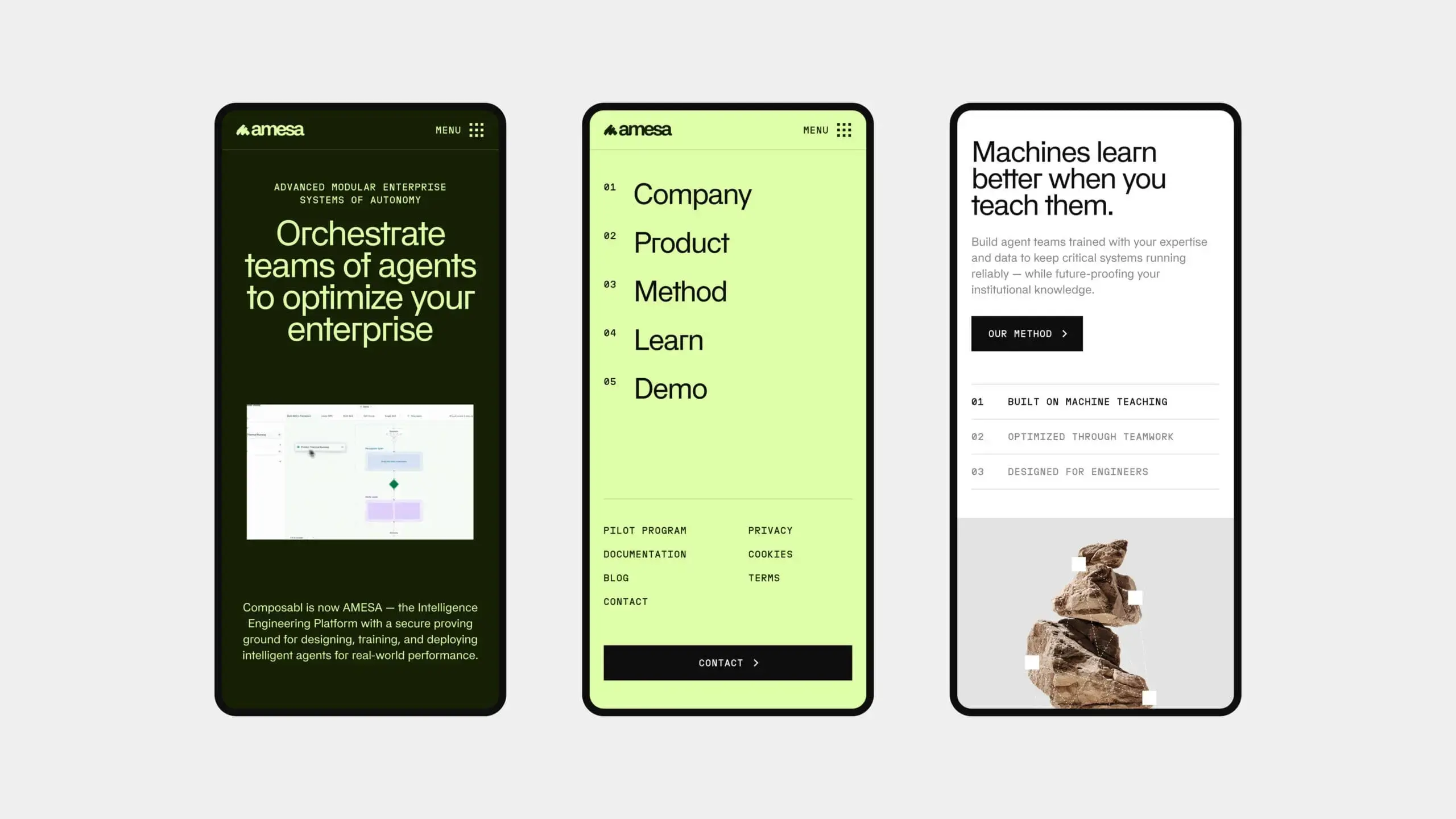
Product design for the software that runs your hardware: operator and control software, data and telemetry dashboards, companion apps, demo and pilot prototypes, and the product UI system that ties them together.
Each cycle covers the flows, screens and components for one feature or piece of work, designed in Figma and handed to your engineers ready to build. Changes are part of the work, and you get the same regular updates and shared channel as a commission. Front-end build isn't included for now.
On a commission, you see two options to begin with, and each stage includes two rounds of revisions. Small changes are absorbed within the phase. If neither option is right, or the scope grows, we agree it first and quote anything extra.
In Operations, changes are part of the work. It's ongoing, so anything you want changed goes into the next cycle.
You own the work: final files, the Brand Kit and the shared Figma file. For a website, the domain, hosting and CMS are transferred to you, and we stay on hand for two weeks after launch to fix anything that comes up. Final files are released once everything is paid.
Deep tech and physical-product companies: manufacturing, robotics, clean energy, EVs, next-gen hardware, architectural tech, consumer electronics and MedTech. Usually funded startups, Seed to Series B, and established engineering companies.
Most come to us when they're raising, launching, scaling from pilot to production, or repositioning. Outside deep tech, sometimes: if you make something real, let's talk.
Often, yes. A website commission starts with a brand audit, so we build on what you have, and Operations carries your existing system onto the product. If the brand is holding you back, we'll tell you.
A logo on its own, naming, standalone development, work with no clear goal, brand as decoration, or decisions by committee.
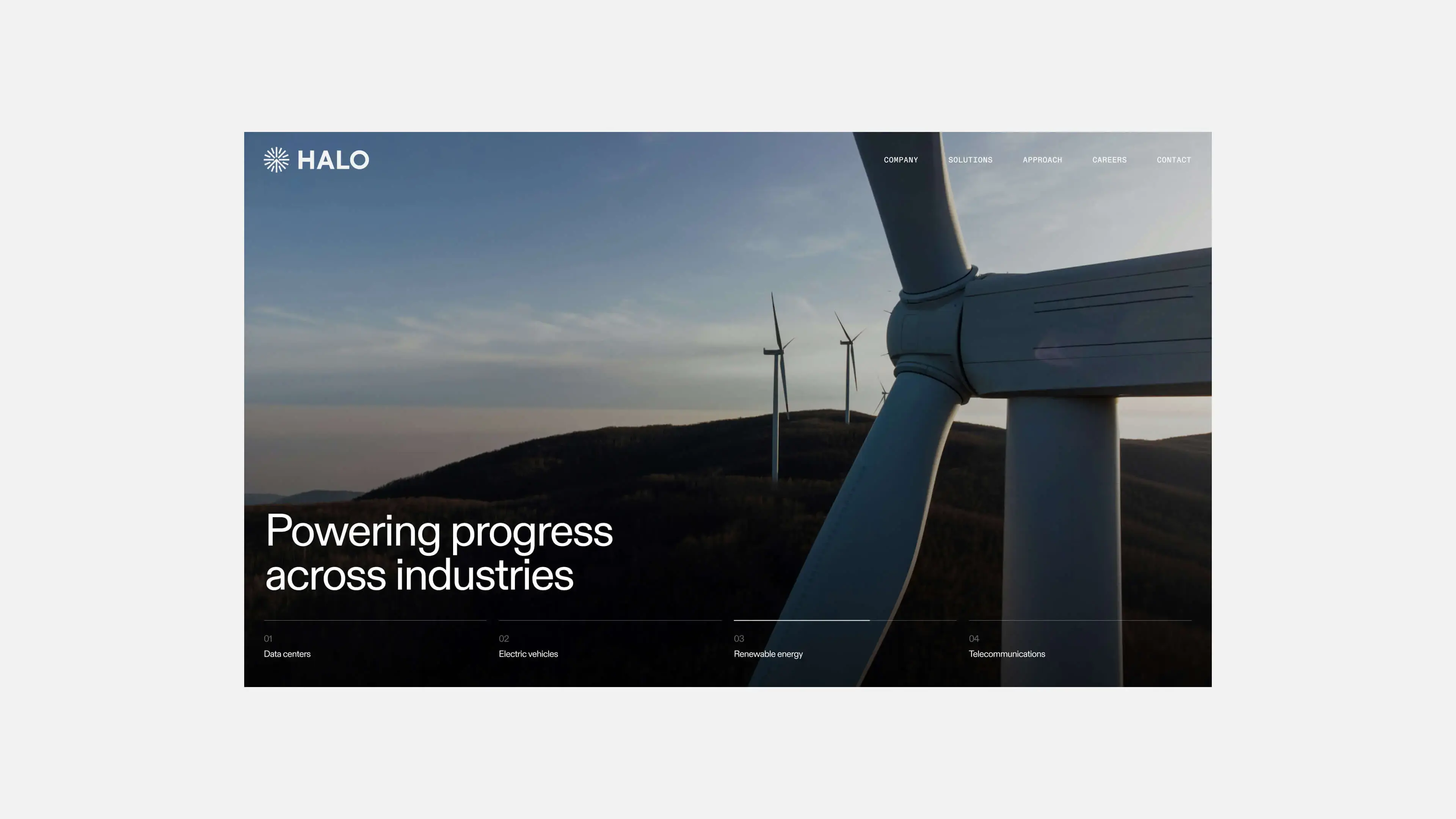
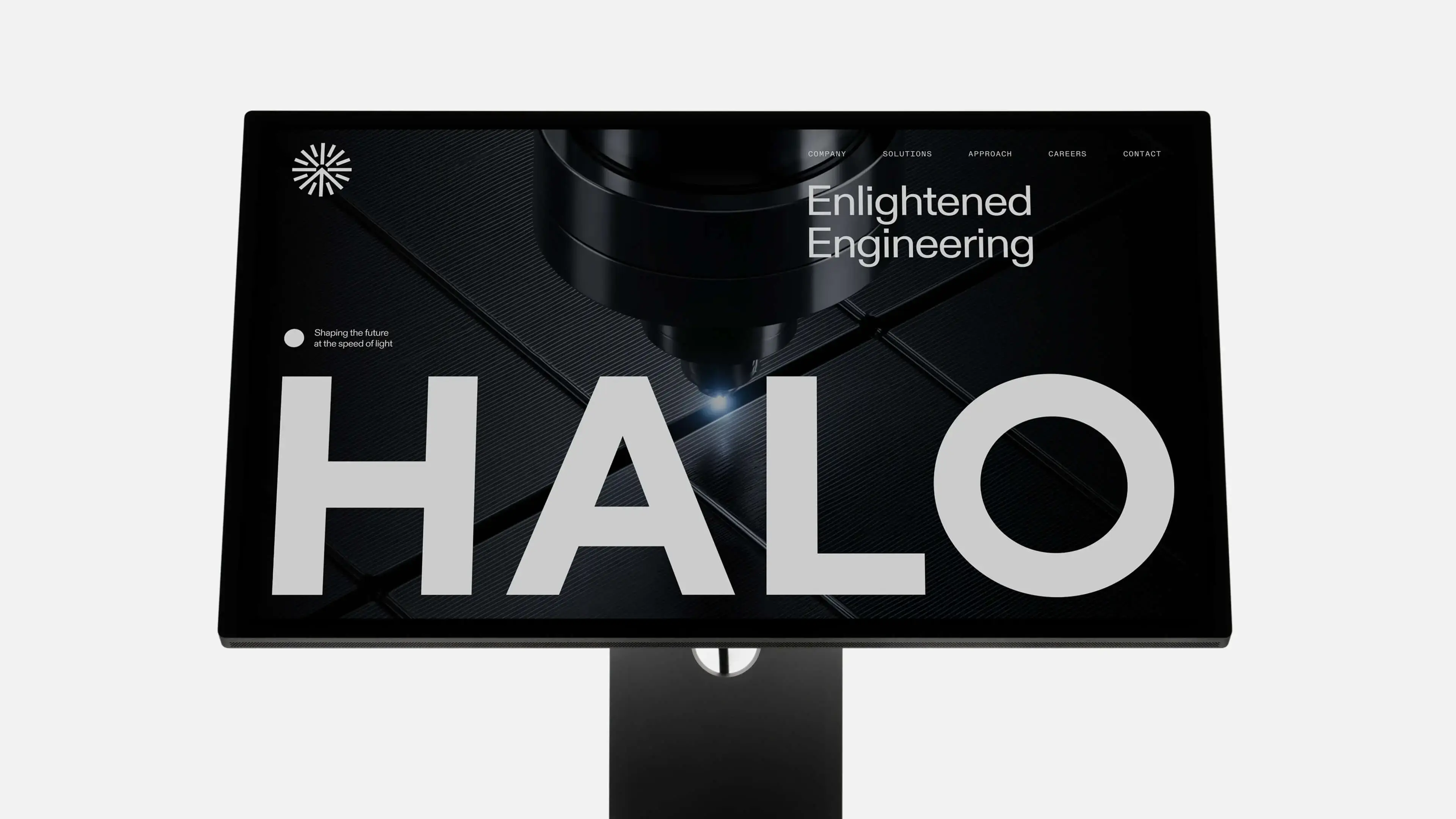
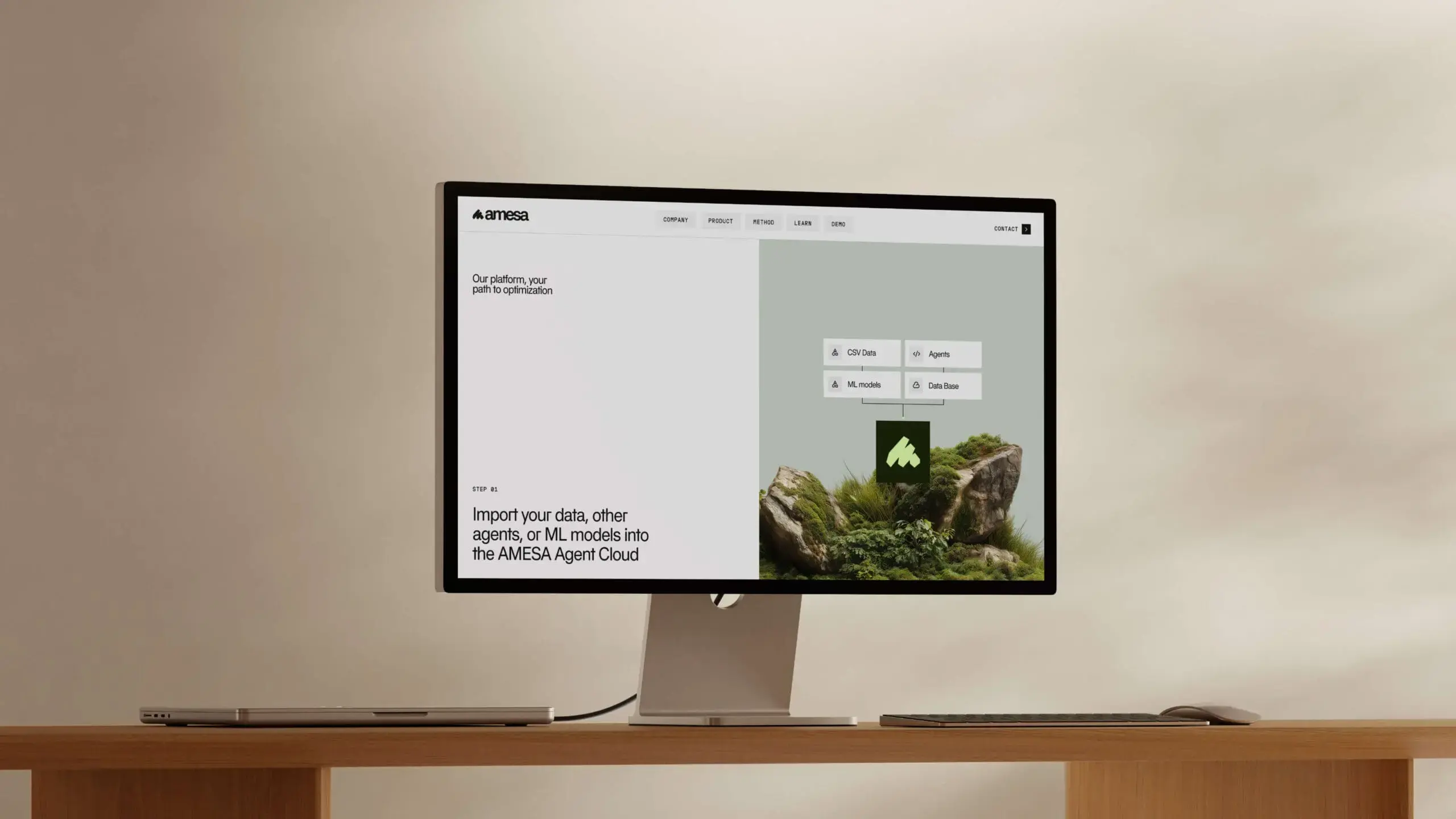
Residential battery storage with pilot fleets in California and the UK. The product was ready for a Series B conversation. The website still looked like a lab notebook.
Industrial robotics that won the demo room and lost the follow-up. Hardware looked exact. Everything around it, site, deck and leave-behinds, felt soft next to the machines.
An architecture–software practice stuck between soft studio aesthetics and generic SaaS chrome. Neither matched how the work actually gets done.
Short brand studies that pressure-test mark, type, and tone before a full engagement, enough system to know if a direction will hold.
Light commercial vans for city fleets. The vehicle was in pilot. The brand still looked like a pitch deck exported to the web.
A sensing platform for factories. The hardware was exact. The site made it look like a gadget.
A field device for crews who work outdoors. The product was tough. The brand looked like a wellness app.
Tell us what you're building and what's coming next. We'll look at how the company is understood today, where strategy and a visual system can change that, and what working together looks like.
Prefer email?hello@fytra.systems
Loading calendar…
Get started